Spring Clean Your Beauty Cabinet: A Safety Guide
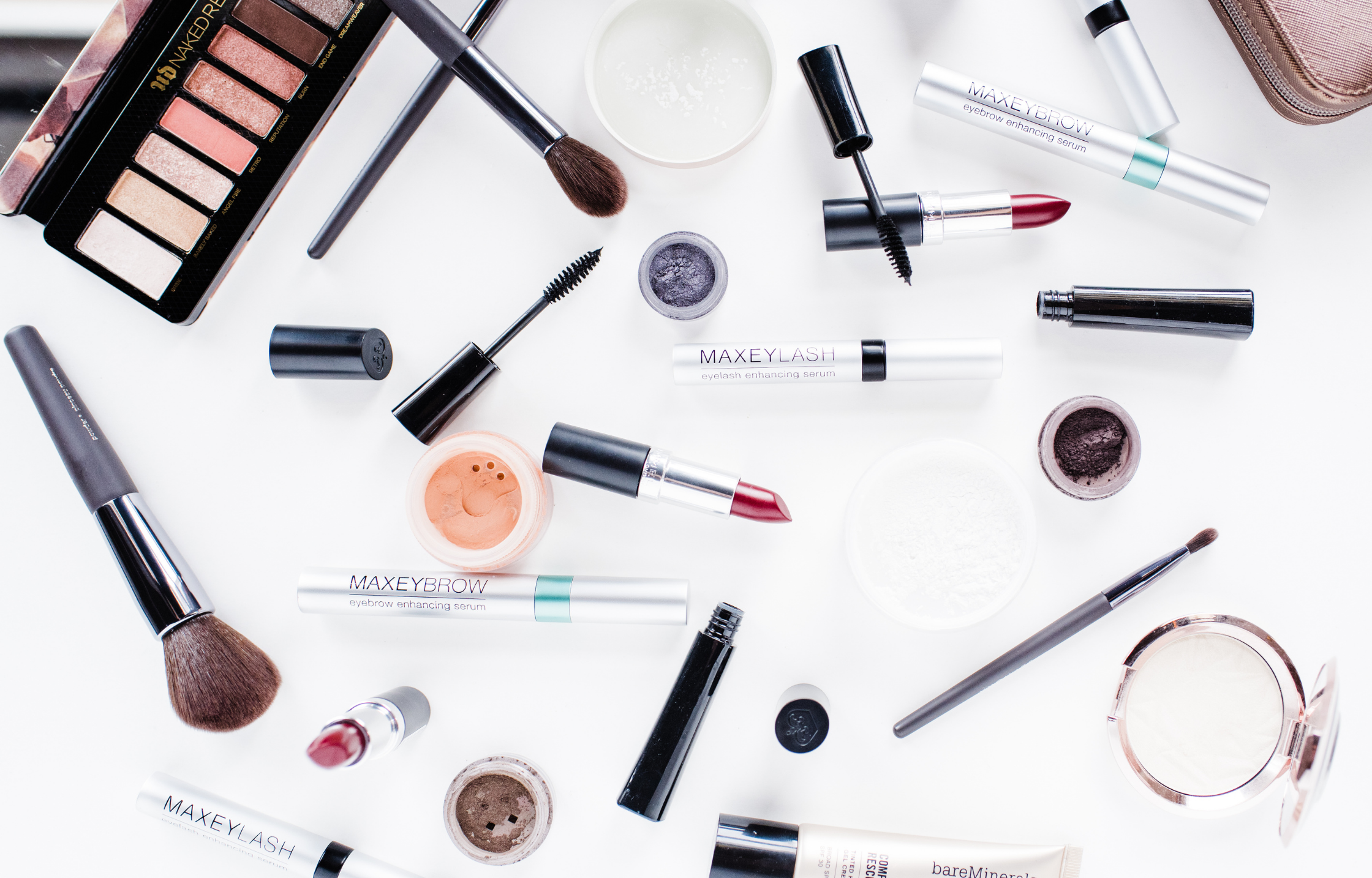
When was the last time you checked the expiration date on your mascara? Or that lash serum you bought six months ago?
If you're like most people, the answer is probably "never." We're all guilty of holding onto beauty products long past their prime — that half-used eye cream from last year, the mascara you swear still works even though it's been open since January, the impulse buy that's been sitting untouched in the back of your drawer.
Here's the thing: expired beauty products aren't just ineffective. They can be unsafe, especially when you're using them around your eyes.
Spring is the perfect time to take stock of what's in your beauty cabinet. Not because you need to buy more stuff (you probably don't), but because your skin, lashes, and brows deserve products that actually work — and won't cause problems.
Let's talk about what you need to know.
Why Expiration Dates Actually Matter
Beauty product expiration dates aren't just a suggestion from overly cautious manufacturers. There are real reasons products break down over time:
Active ingredients lose potency. That vitamin C serum or lash enhancing formula you purchased? The active ingredients that make them work degrade over time. You might still be applying the product, but you're not getting the results you paid for.
Preservatives stop working. Most beauty products contain preservatives to prevent bacterial and fungal growth. Once those preservatives break down, you're essentially creating a petri dish every time you dip your fingers (or an applicator) into the product.
Formulas change. Ever opened a product and noticed it smells different, looks separated, or has changed color? That's oxidation and breakdown happening in real time. These chemical changes can irritate your skin or eyes.
Bacteria grows. This is especially true for anything water-based or anything you apply near your eyes. Mascara wands going in and out of tubes, fingers dipping into jars, applicators touching your skin — all of these introduce bacteria that multiply over time.
The eye area is particularly vulnerable. The skin around your eyes is thinner and more sensitive than the rest of your face. Your eyes themselves are mucous membranes that can easily become infected. Using expired eye products isn't worth the risk.
How to Check If Your Products Are Expired
Most beauty products don't have an obvious expiration date stamped on them like food does. Instead, you need to look for a few key indicators:
The PAO Symbol (Period After Opening)
Look for a small icon that looks like an open jar with a number inside it — something like "6M" or "12M." This tells you how many months the product is good for after you've opened it.
The catch? You need to remember when you opened it. A simple solution: grab a permanent marker and write the month/year you opened it directly on the product. "Opened 10/25" is a lot easier to track than trying to remember if you bought it in September or October.
Manufacturing Date or Batch Code
Some brands print a manufacturing date or batch code on the packaging. These are usually a series of numbers or letters on the bottom or back of the product. You can often look up what these codes mean on the brand's website or by contacting customer service.
Trust Your Senses
Your nose and eyes are good detectors. If something smells off, looks different than when you bought it, or has changed texture, it's time to toss it.
Red flags:
- Rancid or chemical smell (different from the original scent)
- Separated formula that doesn't blend back together when shaken
- Color changes (darkening, yellowing, discoloration)
- Dried out or clumpy texture
- Oil floating on top of water-based products
If you're thinking "I'm not sure if this is still good," the answer is: it's not. When in doubt, throw it out.
Shelf Life Guide: How Long Products Really Last
Different types of products have different lifespans. Here's what you need to know:
Eye Products (Shortest Shelf Life)
Mascara and liquid eyeliner: 3-6 months
These have the shortest shelf life for good reason. Every time you pull the wand out and put it back in, you're introducing bacteria. The warm, moist environment inside the tube is perfect for bacterial growth. Three months is the safety standard; six months is pushing it.
Lash and brow serums: 6-12 months after opening
Check the PAO symbol on your specific product. Most serums are designed for 6-12 months of use after opening. The precision applicators help minimize contamination, but they're not foolproof.
Eye cream: 6-12 months
Jar packaging (where you dip your finger in) has a shorter safe window than pump or tube packaging, which limits air and bacteria exposure.
Face Products
Sunscreen: 12 months (or the date on the bottle)
Active ingredients in sunscreen break down quickly. If your sunscreen is past its expiration date, it's not protecting you.
Serums with active ingredients (retinol, vitamin C, etc.): 6-12 months
These are particularly prone to oxidation and losing effectiveness over time. Store them away from light and heat.
Moisturizers: 12 months
Jar packaging: 6-12 months. Pump packaging: up to 12 months.
Face oils: 6-12 months
Natural oils can go rancid. If it smells different than when you bought it, toss it.
Lip Products
Lipstick: 12-18 months
Lip gloss and liquid lipstick: 6-12 months (because of the applicator that goes in and out)
Powder Products
Eyeshadow, blush, powder foundation: 2 years
Powder products last longer because they don't contain water and are less hospitable to bacteria. That said, if you're applying them with your fingers or dirty brushes, all bets are off.
Tools and Brushes
Makeup sponges: 3 months (or after every use if disposable)
Brushes: Replace every 1-2 years, but clean as needed
Safety Tips for Products Around Your Eyes
Your eyes deserve extra care. Here's how to keep things safe:
Never share eye products. Not with your sister, not with your best friend, not with anyone. Eye infections spread easily, and sharing mascara or eyeliner is one of the fastest ways to pass bacteria back and forth.
Don't add water or saliva to revive dried-out products. We've all been tempted to add a drop of water to mascara that's drying out. Don't. You're introducing new bacteria and diluting the preservatives that are supposed to keep it safe.
Replace immediately after an eye infection. If you've had pink eye, a stye, or any other eye infection, toss every eye product you used during that time. The bacteria that caused the infection are now living in your mascara tube, and you'll just reinfect yourself.
Store products properly. Keep them in a cool, dry place. Not in your steamy bathroom if you can avoid it. Heat and humidity accelerate breakdown and create environments where bacteria thrive.
Don't pump the mascara wand. Pumping the wand in and out of the tube pushes air in, which dries out the product faster and can introduce bacteria. Instead, swirl the wand inside the tube.
Wash your hands before applying eye products. It sounds basic, but clean hands mean less bacteria transfer.
Keep products sealed when not in use. Every second a product is exposed to air, it's oxidizing and breaking down. Cap it immediately after use.
How to Make Your Products Last (Safely)
You can't make a product last forever, but you can maximize its safe lifespan:
Storage Matters
- Keep products away from direct sunlight and heat (not on a windowsill, not in a hot car)
- Store them in a cool, dry place (a drawer or cabinet away from the shower)
- Keep caps and lids tightly sealed
- Don't store products in the bathroom if you can avoid it (humidity and temperature fluctuations accelerate breakdown)
Application Technique
- Use clean hands or tools every time
- Don't share products or applicators
- Don't apply products directly after touching your face without washing your hands first
- For jar products, consider using a clean spatula instead of your fingers
Product-Specific Tips
For serums (including MaxeyLash and MaxeyBrow):
- The precision applicator is designed to minimize contamination
- Always replace the cap immediately after use
- Don't wipe the applicator on anything before applying (you're introducing bacteria)
- Store upright to prevent leaking
For mascara:
- Don't pump the wand — swirl it
- Replace every 3 months, no exceptions
- If it starts to smell weird or dry out, replace it immediately (don't try to "fix" it)
For cream products in jars:
- Use a clean spatula or q-tip instead of your finger
- Never double-dip — if you need more product, use a fresh q-tip
Spring Cleaning Checklist: What to Toss, What to Keep
Go through your beauty products and ask yourself these questions:
Toss it if:
- It's past the PAO date (period after opening)
- You can't remember when you opened it
- It smells off, looks different, or has changed texture
- You've had an eye infection since you started using it
- The packaging is broken or damaged (broken seals = bacteria exposure)
- It's mascara or liquid eyeliner older than 3-6 months
- It's sunscreen past its expiration date
Keep it if:
- It's still within the PAO window
- It's been stored properly (cool, dry, sealed)
- It looks, smells, and feels exactly like it did when you bought it
- You use it consistently (not sitting untouched for months)
- The packaging is intact and functional
The "Maybe" Pile
If you're not sure about a product:
- Check for visible signs of breakdown (separation, discoloration, smell)
- Look up the batch code or contact the manufacturer
- Ask yourself: "Would I be comfortable using this near my eyes?"
If the answer to #3 is no, toss it.
Building a Sustainable Beauty Routine
Here's the thing: spring cleaning your beauty cabinet isn't just about throwing things away. It's about building a routine that actually works for you.
Quality over quantity. You don't need 10 half-used products. You need 3-5 products you actually use consistently and replace when needed.
Consistency beats everything. The most effective beauty routine is the one you stick to. A $250 product sitting unused in your drawer isn't doing anything for you. A $40 product you use every single night? That's where results happen.
Buy what you'll actually finish. Before buying a new product, ask yourself: "Will I realistically use this before it expires?" If the answer is no, save your money.
Track your purchases. Write the open date on products when you start using them. Set a reminder on your phone for 3 months out for mascara, 6 months for serums, etc.
Establish a replacement rhythm. If you use a product daily, you'll naturally go through it within the safe window. It's the products you use sporadically that sit around and expire.
The Bottom Line
Expired beauty products aren't just ineffective — they're potentially unsafe, especially around your eyes.
Spring is the perfect time to take stock of what's working and what's been sitting neglected. Check those PAO symbols, toss anything questionable, and commit to a routine you'll actually stick to.
Your lashes, brows, and skin will thank you.
Ready to refresh your routine? Our lash and brow serums are formulated for consistent, daily use — because that's how growth cycles actually work. Science-backed, not hype-backed.
Shop MaxeyLash | Shop MaxeyBrow
Frequently Asked Questions
How do I know when I opened a product?
Write the month and year directly on the packaging with a permanent marker as soon as you open it. Example: "Opened 4/26"
Can I use expired makeup if it still looks and smells fine?
For most products, if it's only slightly past the PAO date and looks/smells normal, it's probably okay. But for eye products (mascara, eyeliner, lash serums), stick to the expiration guidelines. The risk isn't worth it.
Does unopened makeup expire?
Yes, even unopened products have a shelf life (usually 2-3 years from manufacture). Check for a manufacturing date or batch code.
What's the difference between "expiration date" and "PAO"?
Expiration date = how long the product lasts from manufacture (opened or not). PAO = how long it's safe after you've opened it and exposed it to air and bacteria.
Can I extend the life of a product by storing it in the fridge?
For some products (vitamin C serums, natural products without preservatives), refrigeration can help. But for most products, just keeping them in a cool, dry place away from sunlight is sufficient.
How often should I replace my makeup brushes?
Replace brushes every 1-2 years, but clean them weekly. Dirty brushes are a major source of bacteria transfer.
Have questions about MaxeyLash or MaxeyBrow shelf life or usage? Contact us — we're here to help.